
The Environmental Impact of the Growing Pokémon TCG Scene in Dubai
Global trading card games generated more than $6 billion in revenue in recent years, according to market data reported by Statista. That number says a lot about how cardboard, nostalgia, and a little competitive spirit have turned into a serious global industry. In cities like Dubai, the boom is easy to spot. Hobby shops host weekend tournaments, collectors hunt for rare pulls, and online orders of booster packs arrive almost daily. Yet behind the excitement lies a quieter question that more collectors are starting to ask. What does all this mean for the environment?
The growing interest in pokemon TCG Dubai communities reflects how quickly the hobby has expanded across the UAE. Local card shops, online retailers, and fan groups have multiplied in the past few years. That is great news for players who once relied heavily on international sellers. It also changes the environmental picture. Every booster box shipped across continents carries a carbon footprint, from air freight emissions to layers of protective packaging. When cards travel thousands of kilometers before reaching a collector’s desk, the hobby quietly leaves a trail of environmental costs.
The Hidden Carbon Cost of Card Imports
Trading cards may look small, but shipping them around the world adds up quickly. International freight produces significant greenhouse gas emissions. According to the International Transport Forum, global freight transport accounts for roughly 8 percent of carbon emissions from transportation.
A typical collector order might include sealed booster boxes, protective sleeves, and top loaders. Each product is wrapped in plastic, placed inside cardboard packaging, and then packed again for overseas delivery. Multiply that by thousands of collectors across the Gulf region and suddenly the hobby generates a surprising amount of waste and fuel consumption.
Collectors rarely see that side of the hobby. They see the shiny holographic card. They do not see the cargo plane.
Why Local Suppliers Make a Difference
Here is where regional retailers start to matter. When collectors buy from local sellers instead of importing cards individually, shipping distances shrink dramatically. Bulk shipments arriving once to a distributor produce fewer emissions than hundreds of individual international orders.
Local sourcing also reduces excess packaging. Many collectors know the ritual of opening a tiny package filled with bubble wrap, tape, and plastic bags just to reveal a single card in a sleeve. Buying locally often means simpler packaging and fewer materials.
The rise of regional hobby stores in the UAE shows how the market is maturing. As the Dubai Chamber of Commerce has noted in several reports, local e-commerce ecosystems reduce reliance on long supply chains. That shift benefits businesses, and it quietly benefits the environment too.
The Plastic Problem in Card Collecting
Ask any experienced collector about storage and they will probably pull out a stack of plastic accessories. Sleeves, binder pages, top loaders, team bags, deck boxes. The list goes on. Protection matters because a rare card can lose value from the smallest scratch.
Still, all that plastic eventually becomes waste.
Many collectors upgrade their storage frequently. Old sleeves get replaced. Top loaders pile up in drawers. Some end up thrown away during a big collection clean-up session. The hobby has never been known for minimalism.
Thankfully, recycling habits are slowly improving. Some collectors reuse sleeves for casual play. Others donate spare storage supplies to local gaming groups. Small actions, yes, but they help reduce unnecessary waste.
Practical Tips for Eco-Friendly Collecting
Responsible collecting does not require giving up the hobby. It just means making a few smarter choices along the way. Many sustainability advocates point out that small habits, from reusing materials to reducing unnecessary packaging, can support broader goals of sustainable living and resource conservation. In the world of trading cards, those habits might look simple, but they add up over time.
- Reuse sleeves and top loaders whenever possible instead of discarding them.
- Save packaging materials from card orders for future shipments or trades.
- Buy from local hobby stores to reduce international shipping emissions.
- Organize trades within the community instead of ordering new cards.
- Recycle cardboard packaging through local recycling programs.
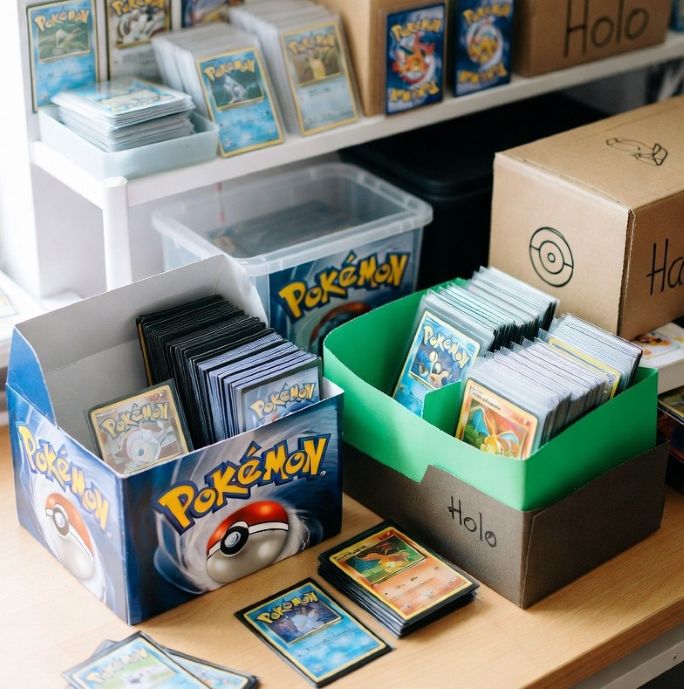
Many longtime players already practice these habits without thinking much about it. A well-organized collector tends to reuse everything. Cardboard boxes become storage bins. Bubble wrap becomes trade protection. Nothing goes to waste if you have been collecting long enough.
A Growing Hobby with Growing Responsibility
The trading card boom across the UAE shows no signs of slowing down. New players enter the hobby every year. Competitive tournaments are expanding, and collectors continue chasing the thrill of opening rare cards. The popularity of pokemon TCG Dubai communities proves how vibrant the scene has become.
Growth brings responsibility. Sustainable habits help ensure that the excitement of collecting does not come with unnecessary environmental costs. Local sourcing, recycling storage materials, and reducing excess packaging are simple steps that make a real difference.
Card collecting has always been about passion. A little environmental awareness simply means protecting more than the cards themselves. It means protecting the world where the hobby continues to grow.