
Why Vents, Baseboards, and Hidden Corners Collect the Most Dust and Grime Buildup
Household dust is not just dead skin and lint. It is a mix of dirt, textile fibers, pollen, pet dander, dust mites, and other particles that settle on nearly every surface indoors. Research compiled by the U.S. Environmental Protection Agency shows that indoor dust is simply settled particulate matter that gets kicked back into the air whenever someone walks, vacuums, or dusts nearby. Homeowners who want a thorough approach, including deep cleaning Baltimore MD services, often find that the areas people skip during routine wipe downs are the same spots where grime keeps coming back the fastest.
That pattern is not a coincidence. Vents, baseboards, crown molding, and the space behind furniture share a few physical traits that make them dust magnets. They sit low or high, out of the sightline of a quick cleaning pass. They also tend to be near airflow paths, corners, or vertical surfaces where particles settle and stay put rather than getting stirred back into the air.
Where Dust Actually Builds Up
A few spots consistently show heavier buildup than the rest of a room. Each one has a different reason for collecting grime.
- HVAC vents and registers. Air constantly moves through these openings, carrying fine particles that settle on the metal grates and just inside the ductwork.
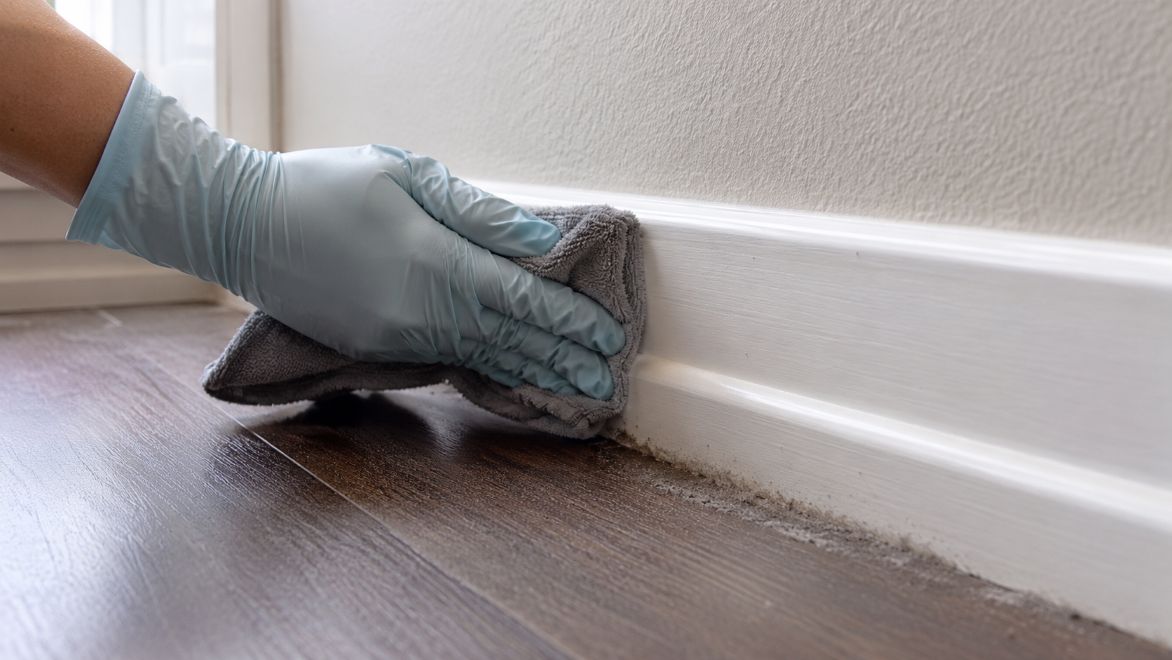
- Baseboards. Static electricity and low airflow near the floor cause dust to cling to the trim, especially where flooring meets the wall.
- Crown molding and ceiling corners. Warm air rises and carries particles upward, where they collect on ledges that are rarely at eye level.
- Behind and under furniture. These pockets go untouched during everyday tidying, so dust layers build undisturbed for weeks or months.
- Ceiling fan blades and light fixtures. Both spin or radiate heat, which pulls floating particles toward them over time.
Why Routine Cleaning Skips These Spots
Most weekly cleaning routines focus on visible, high-traffic surfaces such as countertops and floors. Vents and baseboards sit outside that visual field, so they are easy to overlook. The Asthma and Allergy Foundation of America notes that surface allergens often outnumber airborne ones, and that dust collects unnoticed on furniture edges, closet shelves, and fixtures that standard cleaning tools do not reach well.
There is also a mechanical reason these areas get missed. Feather dusters and dry cloths tend to scatter particles rather than capture them, according to guidance from the Asthma and Allergy Foundation of America. When a corner or vent is only dusted occasionally, whatever gets stirred up simply resettles nearby, often on the same surface it started on. Over time this creates a cycle where dust appears to accumulate faster in these spots, even though it is really just being redistributed instead of removed.
Why It Matters More Than It Looks
Beyond appearance, buildup in these overlooked areas has a real effect on indoor air quality. The American Lung Association points out that dust mites and their waste products are among the most common indoor allergens, and that regular dusting with a damp or microfiber cloth helps trap particles instead of scattering them into the air. Vents carry an added concern. Findings summarized in HVAC industry research indicate that dust and debris inside ductwork are recirculated through the home every time the system cycles on, which can raise exposure to allergens for people with asthma or respiratory sensitivities.
Humidity plays a role too. The American College of Allergy, Asthma and Immunology notes that dust mites cannot survive when indoor humidity stays below 50 percent, which is one reason bathrooms, closets, and rooms near HVAC returns need attention along with the more obvious living spaces.
Practical Steps for Catching Overlooked Areas
Addressing these spots does not require a complete overhaul of a cleaning routine. It requires a slightly wider scope. Many households are also shifting toward eco-friendly cleaning products for this kind of routine maintenance, since these formulas tend to be gentler on household surfaces and better suited for frequent use in tight corners and vents.
- Vacuum vent covers and registers monthly using a brush attachment.
- Wipe baseboards with a damp microfiber cloth rather than a dry duster.
- Move furniture every few weeks to clean the floor and wall space behind it.
- Dust crown molding and ceiling fixtures with an extendable microfiber tool.
- Change HVAC filters on schedule, typically every one to three months depending on the filter type.
Looking Ahead
As homes become more energy efficient and tightly sealed, indoor air has fewer chances to exchange with fresh outdoor air. That makes routine attention to overlooked corners, moldings, and vents more relevant, not less. A cleaning routine that reaches beyond visible surfaces tends to keep allergen levels lower and reduces the amount of grime that resettles week after week. Small adjustments to where a routine focuses can make a noticeable difference in both air quality and how long a clean home actually stays that way.