
Water Safety Fencing and Responsible Design Around Residential Water Areas
Water can make an important contribution to outdoor spaces, whether it is a swimming pool, garden structures, ponds or other recreational areas. While these features are important to many, they can also enhance the enjoyment and value of a property, there is a need to plan for them to maintain an organised and managed surrounding environment.
A practical aspect is water safety fencing to provide a clear separation between people and water filled spaces.
Why Water Areas Must Have Boundaries
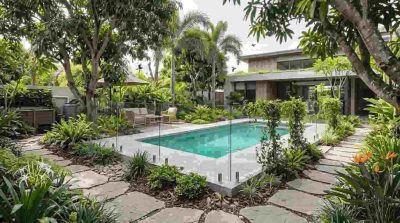 Water features may be beautiful features to add to homes and other properties. They also alter people’s interactions with outdoor spaces, though.
1-Clear separation can better organize.
It is easier to define the boundary of a swimming or water space from the rest of the land if a boundary is in place.This may be important for families with children, guests or pets.
Fencing needs depend upon the water feature type, property type and local regulations and so owners should seek the correct advice prior to any changes.
2-Hedges can help to safeguard the surrounding landscape.
A water area that’s clearly defined can also help to minimize the foot traffic in the nearby garden beds and planted areas. If pathways and access points are designed carefully, residents are able to navigate the site without having to cross certain landscape areas multiple times.
Selecting Materials that Last
One of the aspects of environmental responsibility is to consider the useful life years of a product. Long-lasting products can also help to minimize the need for replacement, potentially minimizing the need for additional materials and installation.
Consider Maintenance Requirements
There are several different types of fencing that can require varying maintenance.
Prior to choosing an option, property owners should factor in cleaning, corrosion protection, repairs, hardware replacement and general maintenance. A material which is suitable for the property and the owner’s maintenance may be more practical in the long term.
Protecting Existing Landscaping
Outdoor fencing is frequently in close proximity to natural plantings and/or gardens.
1-Use alternative routes around planted areas
Established trees and plants can provide shade, habitat, aesthetics and property character. These features can be considered in the design of the fencing, if feasible.
A shrub growing next to a fence can grow quite large. Meanwhile, tree roots and branches can harm adjacent buildings. Pre-planning to minimize future fencing vs. vegetation conflicts can also be accomplished by taking into account mature fencing size.
2-Promoting responsible water management
Water related areas should also be included in the consideration of drainage and run-off.
Understand How Water Moves on the Property
The rain can run over the roof, paved surfaces, lawns, gardens and so on. Alterations to the pool surrounding or any other part of the water space may impact on these pathways. Property owners might consider finding out what the existing drainage is on their property and get professional guidance as needed before embarking on large-scale outdoor construction.
1-Do not make changes that are not necessary in natural areas.
When landscaping around a water feature it may be possible to utilize the existing features of the landscape and not overhaul the surrounding area.
A Walk-Through to a Balanced Surrounding
Safety does not have to make an outdoor space feel hard or sterile or out of the natural world.
Use Function with Appearance
Contemporary fencing can be integrated with gardens, paving, trees and other landscape elements. A shrewdly-placed barrier can create separation without sacrificing the visual unity of the surrounding outdoor area.
The Appropriate Usage of Outdoor Space
A thoughtfully designed water area can make an attractive space to be used more sensibly.
Define Access Points
Entry points can help people to understand how to access water area. A structured plan might help to make the water feature to garden connection more understandable when the property is occupied by a family or visitors.
Prevent Related Activities from Entering Water Area
🔹Don’t leave gardening tools, outdoor toys, and other items around the water enclosure, but store them properly.
🔹Clear areas can help to support property maintenance and the purpose of the barrier.
🔹There is a need to increase the amount of attention paid to maintenance and environmental responsibility.
🔹Structures in the outdoors require regular maintenance.
Inspect for Damage
Fencing may be affected by weather, age and daily wear and tear.
Periodic checks of posts, panels, gates, hinges, latches and other items should be made for property owners to check for damage or deterioration.
Maintaining the Garden
Vigorous plants may impact sightlines, access and the appearance of the water area. Maintenance of the fence and the landscape can help to keep the fence and the surrounding environment in harmony. It is always important to make sure landscaping alterations do not affect the presence of applicable safety requirements.
🔹 Wildlife and Natural Habitats are now seriously considered.
🔹 Local wildlife may share space with outdoor properties.
🔹 Take into consideration existing habitats
Garden and vegetation can provide wildlife habitat for birds, insects, small mammals and more. Owners can ask themselves when making changes to a property whether any trees, shrubs or garden areas have been established and are important for habitat. This is not an excuse for giving up on safety measures that are required. Rather, it makes property owners think about safety and environmental conditions when making improvements to their property.
Avoid Unnecessary Disturbance
Where major landscaping or building works is proposed, minimizing the disturbance of neighbouring properties is a good aspect of responsible use of property. Simple planning decisions can sometimes minimize the removal of vegetation and soil disturbance in a project.
Using Informed Materials Selection
There are numerous fencing options and fencing materials consumers can choose from.
Compare Practical Characteristics
Property owners have a number of factors to consider when assessing options, such as durability, appearance, maintenance, installation and how well it fits the property.
Price isn’t the only factor to consider.
It might be more practical to choose a product that is appropriate for the location and will last many years, even if it costs more than a product that is cheaper to buy.
The Importance of Site Conditions
There are many factors that can impact a fencing project, including the slope of the land, existing structures, garden beds, trees, positioning of the pool and access routes. These considerations can be prevented during installation by professional assessment.
The Enforcement of Safety Requirements
Any safety rules must always be considered in conjunction with environmental concerns. There may be particular requirements for swimming pools and other controlled water features regarding barriers, gates, access and building. Property owners must check the rules in effect for the property and location of the property and should not take for granted the information provided in general.