





The Environmental Impact of the Growing Pokémon TCG Scene in Dubai
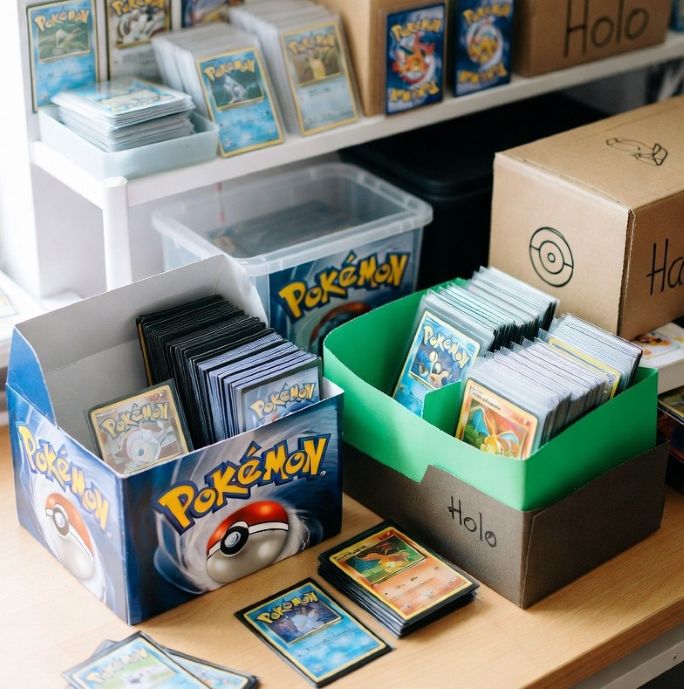
Global trading card games generated more than $6 billion in revenue in recent years, according to market data reported by Statista. That number says a lot about how cardboard, nostalgia, and a little competitive spirit have turned into a serious global industry. In cities like Dubai, the boom is easy to spot. Hobby shops host weekend tournaments, collectors hunt for rare pulls, and online orders of booster packs arrive almost daily. Yet behind the excitement lies a quieter question that more collectors are starting to ask. What does all this mean for the environment?
The growing interest in pokemon TCG Dubai communities reflects how quickly the hobby has expanded across the UAE. Local card shops, online retailers, and fan groups have multiplied in the past few years. That is great news for players who once relied heavily on international sellers. It also changes the environmental picture. Every booster box shipped across continents carries a carbon footprint, from air freight emissions to layers of protective packaging. When cards travel thousands of kilometers before reaching a collector’s desk, the hobby quietly leaves a trail of environmental costs.
The Hidden Carbon Cost of Card Imports
Trading cards may look small, but shipping them around the world adds up quickly. International freight produces significant greenhouse gas emissions. According to the International Transport Forum, global freight transport accounts for roughly 8 percent of carbon emissions from transportation.
A typical collector order might include sealed booster boxes, protective sleeves, and top loaders. Each product is wrapped in plastic, placed inside cardboard packaging, and then packed again for overseas delivery. Multiply that by thousands of collectors across the Gulf region and suddenly the hobby generates a surprising amount of waste and fuel consumption.
Collectors rarely see that side of the hobby. They see the shiny holographic card. They do not see the cargo plane.
Why Local Suppliers Make a Difference
Here is where regional retailers start to matter. When collectors buy from local sellers instead of importing cards individually, shipping distances shrink dramatically. Bulk shipments arriving once to a distributor produce fewer emissions than hundreds of individual international orders.
Local sourcing also reduces excess packaging. Many collectors know the ritual of opening a tiny package filled with bubble wrap, tape, and plastic bags just to reveal a single card in a sleeve. Buying locally often means simpler packaging and fewer materials.
The rise of regional hobby stores in the UAE shows how the market is maturing. As the Dubai Chamber of Commerce has noted in several reports, local e-commerce ecosystems reduce reliance on long supply chains. That shift benefits businesses, and it quietly benefits the environment too.
The Plastic Problem in Card Collecting
Ask any experienced collector about storage and they will probably pull out a stack of plastic accessories. Sleeves, binder pages, top loaders, team bags, deck boxes. The list goes on. Protection matters because a rare card can lose value from the smallest scratch.
Still, all that plastic eventually becomes waste.
Many collectors upgrade their storage frequently. Old sleeves get replaced. Top loaders pile up in drawers. Some end up thrown away during a big collection clean-up session. The hobby has never been known for minimalism.
Thankfully, recycling habits are slowly improving. Some collectors reuse sleeves for casual play. Others donate spare storage supplies to local gaming groups. Small actions, yes, but they help reduce unnecessary waste.
Practical Tips for Eco-Friendly Collecting
Responsible collecting does not require giving up the hobby. It just means making a few smarter choices along the way. Many sustainability advocates point out that small habits, from reusing materials to reducing unnecessary packaging, can support broader goals of sustainable living and resource conservation. In the world of trading cards, those habits might look simple, but they add up over time.
- Reuse sleeves and top loaders whenever possible instead of discarding them.
- Save packaging materials from card orders for future shipments or trades.
- Buy from local hobby stores to reduce international shipping emissions.
- Organize trades within the community instead of ordering new cards.
- Recycle cardboard packaging through local recycling programs.
Many longtime players already practice these habits without thinking much about it. A well-organized collector tends to reuse everything. Cardboard boxes become storage bins. Bubble wrap becomes trade protection. Nothing goes to waste if you have been collecting long enough.
A Growing Hobby with Growing Responsibility
The trading card boom across the UAE shows no signs of slowing down. New players enter the hobby every year. Competitive tournaments are expanding, and collectors continue chasing the thrill of opening rare cards. The popularity of pokemon TCG Dubai communities proves how vibrant the scene has become.
Growth brings responsibility. Sustainable habits help ensure that the excitement of collecting does not come with unnecessary environmental costs. Local sourcing, recycling storage materials, and reducing excess packaging are simple steps that make a real difference.
Card collecting has always been about passion. A little environmental awareness simply means protecting more than the cards themselves. It means protecting the world where the hobby continues to grow.

 Climate change is no longer viewed as just an environmental issue—it is shaping where people feel safe, how they think about the future, and what stability means when choosing a place to call home. Across the United States,
  Climate scientists say global temperatures will continue to rise even if we halt all greenhouse gas (GHG) emissions. Climate models show that by 2050, global temperature will continue to warm by about 1.5 degrees Celsius or 2.7°Fahrenheit by 2050 and will reach up to 2-4 degrees Celsius or 3.6-7° degrees Fahrenheit by 2100.
 Thawing of permafrost layers that can turn into a mud slurry. This could have severe impacts on the environment because mud slurry cannot support the weight of infrastructures like roads, buildings and pipes or even soil vegetation.
 Climate change
  A new study led by researchers of the University of Michigan delved into India’s diminishing water availability as a result of groundwater depletion and
  Groundwater depletion could be devastating for the people of India because it will jeopardise the security of food and water in the country. Yet the intensification of agricultural groundwater irrigation has paid off, because India is now the second-largest producer of common cereal grains, rice and wheat, on a global scale.
 Every piece of technology, whether it’s your beloved washing machine or your trusty microwave, comes with a lifespan. Over time, wear and tear are natural. Yet, in a world driven by rapid technological advancements, the first response when appliances act up is often replacement. However, is that always the best solution or to visit https://vancouverapplianceservice.ca?


 The significance of the transportation sector is seen how different units in the society depend on it to have access to various resources. A society won’t be able to function at an optimum level if it doesn’t have the proper measures in order to facilitate movement and transport. Having the capability to travel to and arrive at different places or to delivery various items without a delay is crucial for general productivity as well as sustainable development. It is then safe to say that smooth movement is needed by people, jobs, resources, as well as economies to keep the whole world at a forward movement.
 There are many parts in the globe where bicycles are used as a major form of transportation. Bicycles are very sustainable compared to single-passenger vehicles as they have considerably lighter and lesser carbon footprint. Hence, governments need to support bike-friendly communities and should encourage this by creating bike-friendly lanes as well as refining policies on bike safety.

 Anticipating the future, the opportunities are great. Advances in bio-based materials that provide the same strength and durability as traditional choices but with a far smaller environmental impact could be forthcoming. Imagine parachute canopies fashioned from recycled carbon fiber or sustainably derived plant fibers or reserve containers. Additionally helping to create a greener sport is the inclusion of solar-powered components in electrical equipment used by skydivers, such as altimeters and visual aids.
 Outdoor adventure is taking a fresh turn towards sustainability. With growing awareness around environmental protection, many outdoor enthusiasts are rethinking how they explore rugged terrains. Timbersled kits, which convert dirt bikes into snow-ready machines, are gaining popularity for their versatility and efficiency in snow-covered environments. This conversion system minimizes the need for multiple vehicles, providing an eco-friendly alternative to owning separate bikes and snowmobiles.


 Methods for Safeguarding the Environment
 As
As 



 What garments should you wear and buy to safeguard the environment? How can you shop ethically and support sustainable fashion? See our tips below.
  Numerology is a system for understanding the personality number of an individual. This number is calculated by adding the numbers of one’s full date of birth and can explain a lot about one’s personality traits, compatibility with others, and many other factors. While the Numerology Guidance Cards are the ultimate divination tools, providing


